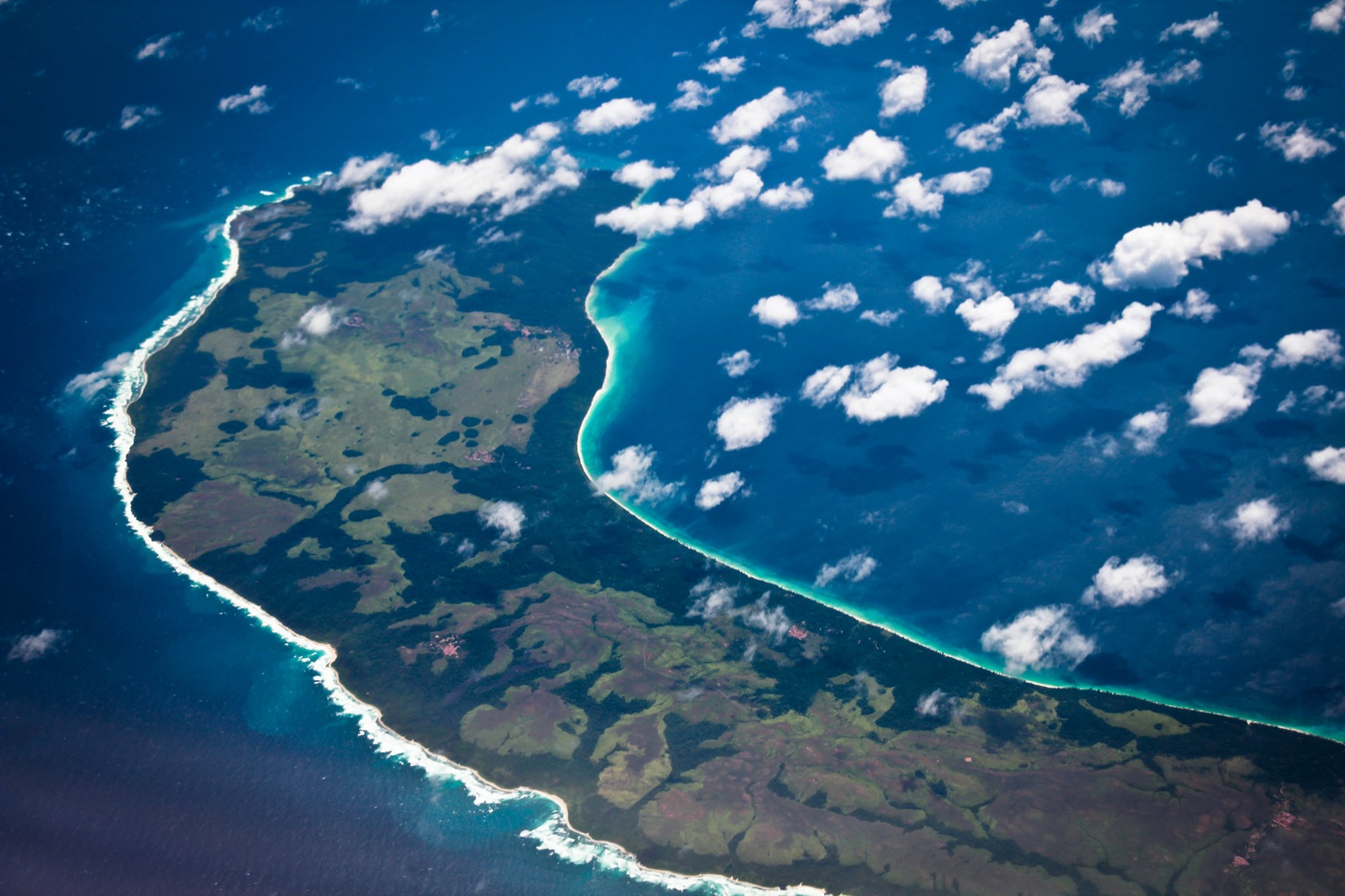
Status: Tentative List — not a UNESCO World Heritage Site
Added to India's UNESCO Tentative List on 22 May 2026, recorded by the UNESCO World Heritage Centre as a cultural property in the Nancowry subdivision of Nicobar district. Like every Tentative List entry, this is India signalling intent to possibly nominate the property in future — it is not, and may never become, an actual UNESCO World Heritage Site. It is not counted among this guide's 45 confirmed sites.
Important distinction, stated plainly: this proposal concerns the Nicobarese people of the Central Nicobar Islands (Nancowry subdivision) — it has nothing to do with, and should not be confused with, the Sentinelese people of North Sentinel Island in the Andaman group, a completely different community, region, and legal protection regime. Conflating the two would be a real factual error; this guide treats that distinction as non-negotiable.
A note on this page's structure: every other page in this guide, including the other two Watchlist entries, follows a standard schema covering How to Reach/Where to Stay/Suggested Itinerary and similar practical visitor sections. This page deliberately doesn't, and that omission is itself the point, not an oversight — see "Visiting" below for why. What follows instead is a genuine attempt to describe the Nicobarese cultural landscape this UNESCO submission is actually about, in more depth than a typical "attraction" writeup would need.
What the proposal covers
India's submission describes the Nicobarese cultural landscape as distinguished by its combination of maritime traditions, indigenous social organisation, ecological knowledge, spiritual practices, and a continuing, living cultural life within a distinct island environment — a "living culture" nomination rather than a single monument or built structure, unlike the Andaman penal-settlement proposal also on this watchlist.
Language
Nicobarese languages belong to the Mon-Khmer branch of the Austroasiatic family — linguistically unrelated to the mainland Indian languages spoken across most of the rest of the country, and to the Andaman group's own, entirely separate indigenous languages. Different dialects are spoken across different islands (Car Nicobar, Chowra, Nancowry among them); the Nancowry variant (also called Mūöt) is specifically the language of the central group this UNESCO submission covers.
Social Structure
The tuhet (joint family) is the basic social unit of Nicobarese village life — village organisation is built around these extended family groups, not the individual-household model more familiar elsewhere in India.
Economy & Food Traditions
Traditionally horticultural, centred on coconut, pandanus, areca palm, banana, and mango cultivation, alongside fishing and hunting. Pandanus fruit in particular is both a dietary staple and a recurring element in ceremonial food.
Panuohonot (the Pig Festival) is the tradition India's own UNESCO submission specifically singles out as a surviving, living practice: an annual gathering bringing together family members and visitors from different islands, featuring pig fighting, hodi canoe races, wrestling, music, and dance, with a shared feast of pandanus fruit, yam, tapioca, coconut, banana, and pork. Pigs are reared specifically for this kind of occasion — an important event is traditionally marked by a pig feast (a practice not observed among the islands' Muslim Nicobarese population).
Maritime Traditions & Crafts
The hodi — an outrigger dugout canoe — is the traditional Nicobarese fishing craft, and hodi racing is itself part of Panuohonot. Chowra Island in particular is known for building the larger, more elaborate ap (Chowra canoe), regarded as one of the islands' most symbolically significant cultural objects, alongside Chowra's tradition of pottery-making. Beyond canoes, Nicobarese craft is largely functional — mats and baskets woven from pandanus leaves and cane, made for everyday and ceremonial use rather than as a separate "souvenir" tradition.
Visiting: this is genuinely not a typical travel destination
This isn't a place you can add to an itinerary the way you would a monument, and this guide won't pretend otherwise — which is why this page has no How to Reach, Where to Stay, or Suggested Itinerary section above:
- Most of the Nicobar Islands are a restricted zone, closed to general tourism. Campbell Bay on Great Nicobar is the one clearly tourist-accessible location in the wider Nicobar archipelago; the rest is not part of any standard tourist itinerary.
- Tribal Reserve areas are strictly off-limits to outside visitors, by law, to protect indigenous communities and their way of life. Special entry permission is rarely granted and is generally limited to researchers or government officials — not tourists.
- Some individual islands (including Nancowry itself, per current sourcing) are technically visitable by domestic travellers without a Restricted Area Permit for general tourism purposes, but this does not extend to tribal reserve land, and any approach to indigenous settlements would require the explicit consent of the local community (e.g. a Village Captain, per the sourced access rules for nearby Great Nicobar) — not something a visitor can arrange informally.
- Andaman & Nicobar entry requirements generally (permits, restricted zones) change over time and are set by the Andaman & Nicobar Administration, not by this guide — always verify current rules directly with the Administration before planning any travel to the wider archipelago, not from this page.
Sources & Disclaimer
Compiled 2026-09-09 from UNESCO's own World Heritage Centre tentative list records, contemporaneous news coverage of the 22 May 2026 submission (including reporting that cites the specifics of India's own UNESCO submission text, e.g. the Panuohonot Pig Festival), general ethnographic reference material on Nicobarese culture, and separately-sourced current guidance on Andaman & Nicobar entry permits and tribal reserve restrictions. Given both the sensitivity of indigenous protection law here and how quickly permit rules can change, treat every access detail on this page as a starting point for your own verification, not a travel plan — confirm directly with the Andaman & Nicobar Administration before considering any visit anywhere near this region. Tentative List status can be confirmed directly at whc.unesco.org/en/tentativelists.